Discover the Healing Power of ARRC ATP RFQ
Back pain can affect people of all ages and can be caused by various health problems, from muscle and ligament strains to spine and vertebrae fractures. Beyond physiotherapy, a complementary option exists to relieve back pain. Red Light Therapy for back pain, in particular, is becoming more widely accepted as a possible therapy option for people with osteoarthritis, tendinitis, and other back musculoskeletal disorders.
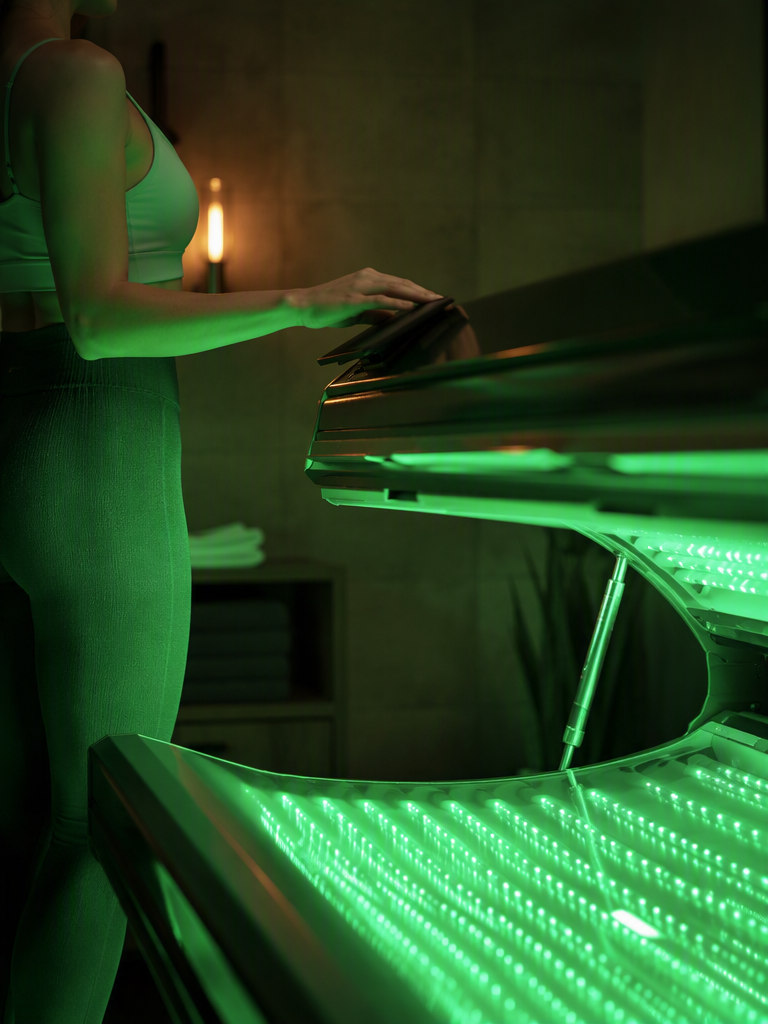
ARRC LED’s 6-wavelength formula adds green light to the analgesic effect of red light therapy on nerves. Green light addresses another pain pathway, adding to the benefits of red and near-infrared light.
Red light therapy targets the root causes of discomfort at the cellular level. The therapy penetrates deep into tissues, reaching muscles, joints, and surrounding areas where pain originates. Research indicates that regular sessions can help reduce inflammation, accelerate tissue repair, and enhance circulation in affected areas.[3] Many people experience noticeable pain reduction within the first few weeks of consistent use, with continued improvement over time.
Red light therapy works by energizing cells and boosting their natural repair mechanisms, which helps address both acute injuries and chronic conditions. Studies have shown remarkable success rates for various types of back pain, ranging from muscle strain to joint stiffness and nerve-related discomfort. Users often report not only pain relief but also improved mobility and flexibility as tissues repair and strengthen.
The therapy also helps break the cycle of muscle tension and spasm that can perpetuate back pain. Sessions require no physical exertion, making it ideal for people whose pain limits their activity. Red light therapy addresses multiple factors contributing to back pain simultaneously – reducing inflammation, improving blood flow, and supporting tissue regeneration. Many people find they can reduce their reliance on pain medications as their symptoms improve with consistent therapy sessions.
Studies suggest that infrared light can promote faster healing by penetrating deeply into the skin and improving blood circulation throughout the body. Red and near-infrared light has an analgesic effect on the nerve fibers. When infrared light reaches the cells, the mitochondria absorb it, increasing the cell’s metabolism and stimulating the repair of muscle, bone, skin, and subcutaneous tissue.
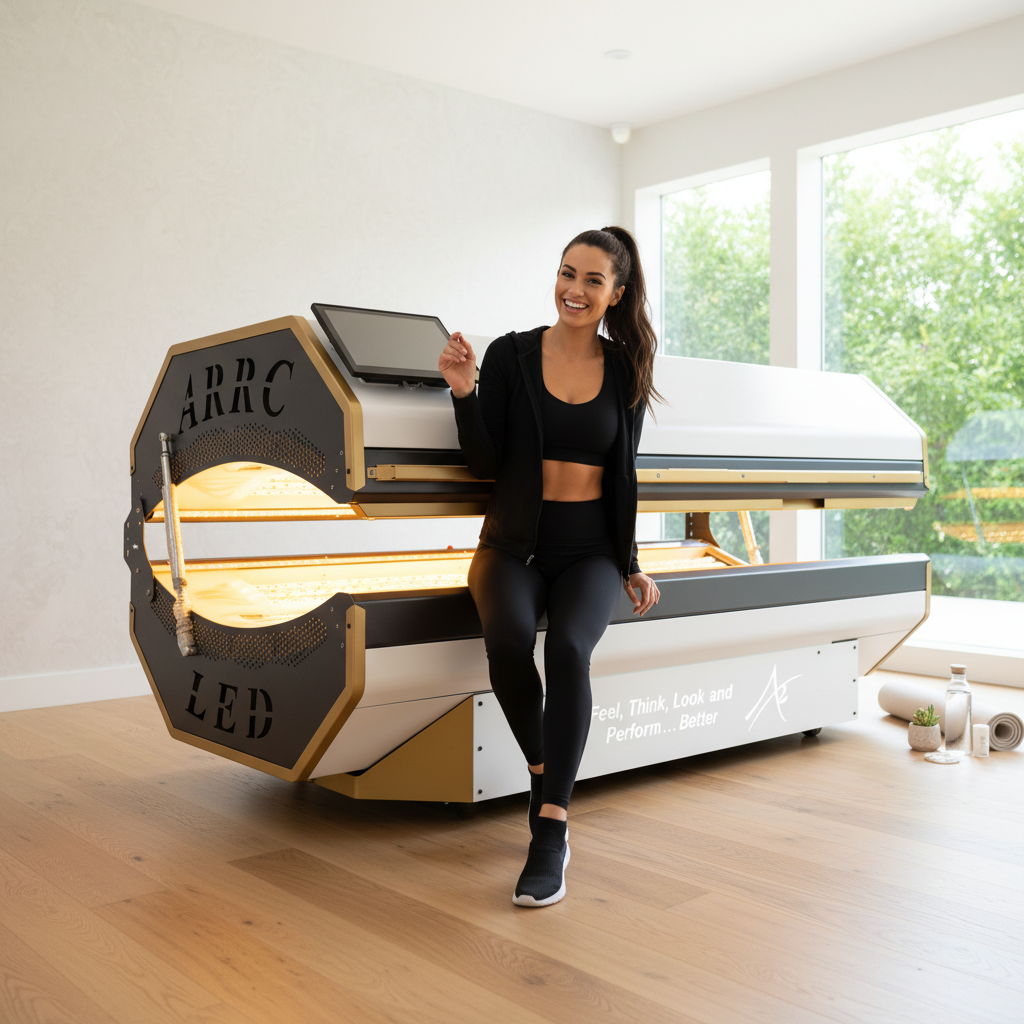
Improving cellular metabolism will enhance blood flow, facilitating the delivery of oxygenated blood and nutrients throughout the entire body. Increased blood flow also allows the body’s waste to be drained faster. Devices such as the ARRC LED light bed are considered a good choice for those who want to try non-invasive and pain-free therapy for their back pain.
LED Light Therapy Benefits
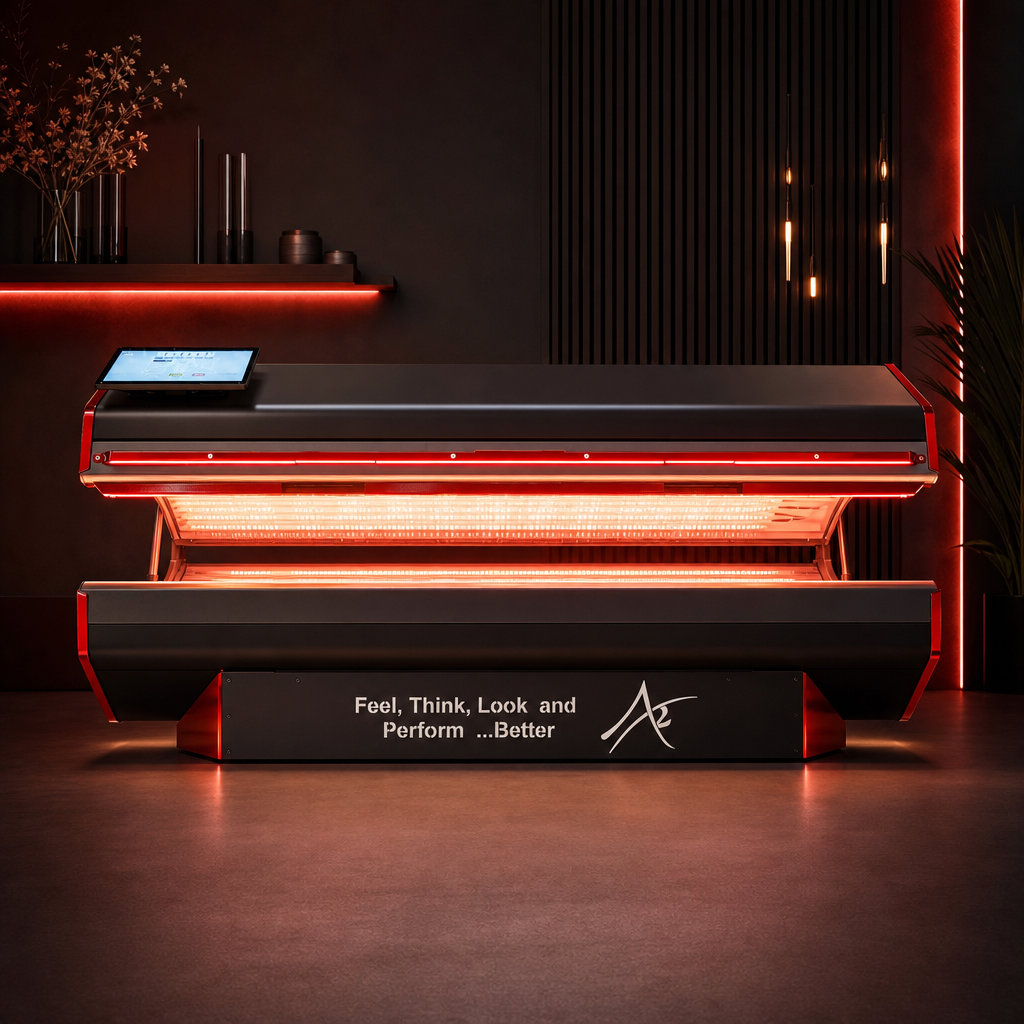
LED (light-emitting diode) Light Therapy is a wellness modality that illuminates the surface area of the body to help improve multiple conditions. Through the use of visible and non-visible near-infrared light, different wavelengths penetrate tissue at different depths to provide various therapeutic benefits.
For example, multiple studies show that:
- Green LEDs promote wound healing by inducing migratory and proliferative mediators, suggesting that not only red LEDs but also green LEDs can be a new, powerful therapeutic strategy for wound healing, pain relief through a different pathway than red/NIR, as well as being effective for migraines. Recent research has shown that green activates a new path for pain release. This suggests that combining green and red/infrared light might be a more powerful tool for pain relief than traditional Red/NIR therapy devices. Green will also prove to be antibacterial and antiviral. ARRC LED has used multiple green, red, and near-infrared wavelengths since 2015 with our first devices.
- Red light penetrates subcutaneous tissue, the deepest layer of skin. Based on research, Red Light Therapy has been shown to reduce tissue inflammation and stimulate collagen production, a protein responsible for maintaining younger-looking skin that diminishes with age.
- Near-infrared light penetrates the deepest into muscle and bone, and studies show benefits to cognition, athletic performance, pain relief, and general wellness.
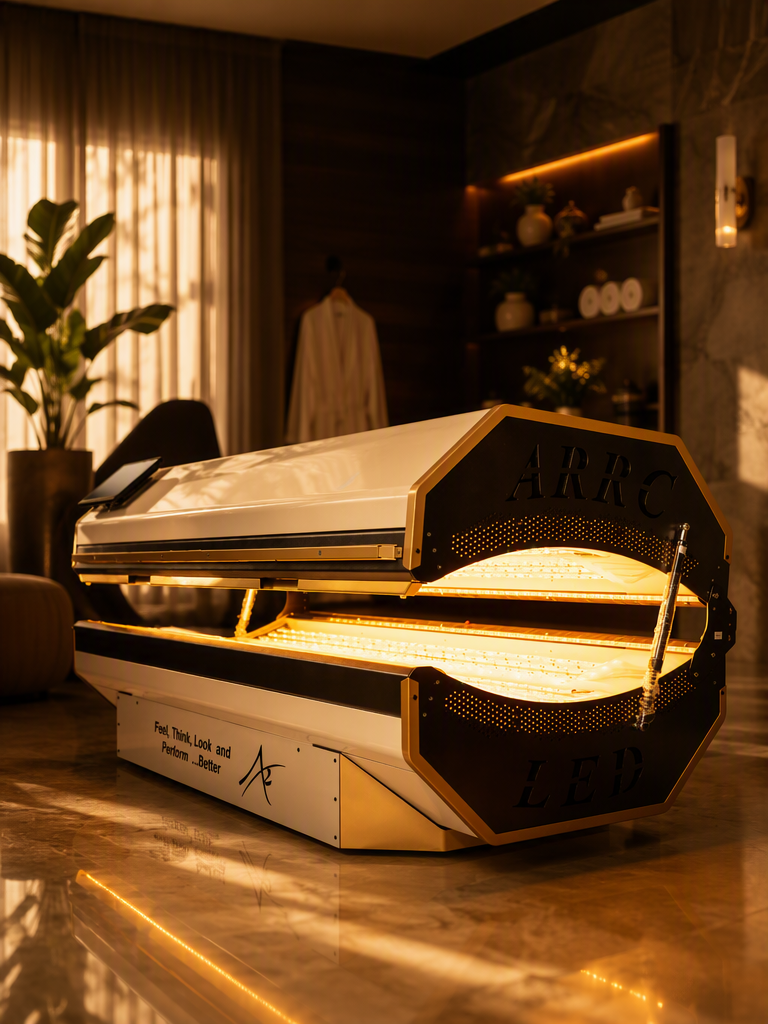
The ARRC LED Light Therapy Beds deliver the precise dose of energy to both the front and back of the body. This improves efficacy and outcomes. Our formulas for energy, pulsing, and wavelength combinations are patent pending.
LED Light Therapy for Face
Studies show that the anti-inflammatory properties of green LED therapy show promising results to treat dilated capillaries, sagging skin around the eyes, under eye circles, hyperpigmentation, and sun spots. Other studies have found that green and red LED Light Therapy may also help tighten skin, reduce wrinkles and fine lines, and improve skin appearance. Studies show that the use of red light can stimulate skin cells called fibroblasts and help produce collagen.
LED Light Therapy for Skin
LED light can stimulate collagen, a vital component for wound healing. Studies have found that light therapy helps reduce redness, swelling, and bruising, as well as speed up recovery. LED Light Therapy may also stimulate hair growth in individuals with male or female-pattern hair loss, and it can also help alleviate redness and inflammation in those with psoriasis.
Additionally, research suggests that LED light may have positive effects on skin cancer. Photodynamic therapy has been performed using red and green LED lights to treat Bowen’s disease, and red light has been used to treat basal cell carcinoma lesions.
01
01 / ARRC LED BED
The Benefits of Using a Red Light Therapy Bed for Weight Loss
Research shows that RLT may promote the photoactivation of cytochrome c oxidase in hypertrophic adipocytes. Which, in turn, affects intracellular secondary cascades. It results in the formation of transitory pores within the adipocytes’ membrane. Newly formed pores release intracellular lipids, which are further metabolized. The secondary cascades involved may include, but are not limited to, the activation of cytosolic lipase and the production of nitric oxide. Although studies to date have shown very encouraging results, further research is needed to fully elucidate the cellular and systemic effects of Red Light Therapy (RLT) and determine optimal treatment protocols.
Beyond the cellular mechanisms, red light therapy beds offer practical advantages for those pursuing weight management goals. The full-body treatment approach allows for simultaneous targeting of multiple areas, potentially enhancing overall metabolic effects compared to localized treatments. Many people report complementary benefits, including improved skin tone, reduced cellulite appearance, and enhanced circulation throughout treated areas. The therapy appears to work synergistically with healthy lifestyle changes, potentially supporting the body’s natural fat metabolism processes. Additionally, the non-invasive nature of red light therapy makes it an appealing option for people seeking alternatives to more aggressive weight loss interventions. Regular sessions may also contribute to improved energy levels and recovery from exercise, which can support more active lifestyles and better adherence to fitness routines.
- Convenient treatment: Sessions can be comfortably performed while relaxing
- No downtime: Resume normal activities immediately after treatment
- Comfortable experience: Gentle warmth without pain or discomfort
- Flexible scheduling: Sessions typically last 15-20 minutes
- Cost-effective: More affordable than surgical alternatives
- Safe for regular use: Can be incorporated into ongoing wellness routines
Red light therapy for weight loss is widely considered a safe and non-invasive approach to body contouring and fat reduction. Photobiomodulation, which utilizes specific wavelengths of near-infrared light and red light therapy devices, produces minimal side effects when used properly by trained professionals.
Most red light therapy treatments target fat cells at the skin’s surface and deeper tissues without causing damage, making it an appealing weight management option for those seeking alternatives to procedures like liposuction. One study found that low-level laser therapy (LLLT)-assisted liposuction reduced the inflammatory response and pain, thereby promoting wound healing and improving the post-liposuction recovery process.[5]
The benefits of red light therapy extend beyond fat loss to include improved collagen production, enhanced blood flow, and overall wellness benefits. RLT works through natural cellular processes, stimulating mitochondria and ATP production to support the body’s fat-burning mechanisms without significant adverse effects.
However, like any wellness treatment, red light therapy may produce mild temporary effects in some people. Occasionally, people may experience slight skin redness immediately after treatment, particularly in targeted areas where stubborn fat is being addressed.
Some individuals report minor fatigue following sessions as their bodies process released fatty acids and lipid content from treated fat cells. While red light therapy is generally safe for most people, individuals with certain health conditions should consult their healthcare provider or dermatologist before starting treatments.
As with any weight management approach, red light therapy treatments should complement a healthy lifestyle rather than replace proper diet and exercise. This disclaimer emphasizes that, while studies show promising results for fat reduction and cellulite improvement, medical advice from qualified professionals remains essential for achieving optimal and safe outcomes.
02
02 / REPORTED SUPPORT
ARRC ATP RFQ LED Bed supports cellular energy and tissue repair.
ATP RFQ has shown emerging potential in supporting metabolic and cardiovascular health. While there is intriguing clinical and laboratory data surrounding its core wavelengths, it should be considered a supportive wellness tool rather than a stand alone cure
Blood Pressure (Moderate, Early Evidence)
Full-body PBM beds have shown a systemic ability to support healthier blood pressure levels, primarily through vascular relaxation.
- The Mechanism: When red and near-infrared light hits blood vessels, it triggers the release of nitric oxide (NO). Nitric oxide is a potent natural vasodilator, meaning it relaxes and widens blood vessels, which directly improves circulation and reduces the workload on the heart.
- What the Science Says: Meta-analyses of randomized controlled trials indicate that sustained photobiomodulation protocols can lead to a significant reduction in systolic blood pressure. It also helps suppress oxidative stress and inflammation that damages endothelial walls. Still, evidence quality fluctuates across clinical settings, meaning it should complement lifestyle changes rather than replace prescribed antihypertensive medications.
Blood Sugar (Highest Research Support)
This is the area with the most intriguing recent research. Red light therapy does not directly "dissolve" glucose, but it changes how your cells use it.
- The Mechanism: The light penetrates the skin and is absorbed by cytochrome c oxidase inside your cellular mitochondria. This stimulates the production of Adenosine Triphosphate (ATP)—the cellular energy currency. To build more ATP, the cells must increase their metabolic rate and burn through glucose.
- What the Science Says: Clinical trials have shown that a single 15-minute exposure to 670 nm red light prior to eating can reduce post-meal blood sugar spikes by up to 27.7% in healthy individuals. Systematic reviews note it can also help lower fasting glucose and improve insulin sensitivity in Type 2 Diabetes models by promoting glucose uptake in skeletal muscle. However, experts emphasize it is an adjunct therapy and cannot replace standard diabetes medications or dietary monitoring.
Cholesterol & Lipid Profiles
The effect of PBM beds on cholesterol is the least established of the three markers and remains highly experimental. [1, 2]
- The Mechanism: Researchers are investigating how PBM influences the ATP-binding cassette transporters (like ABCA1), which are crucial for cellular cholesterol homeostasis and helping clear fats out of macrophages to form "good" HDL cholesterol. [1]
- What the Science Says: While some laboratory and animal studies show a general stabilization of lipid profiles and a reduction in plasma triglycerides, human data on full-body beds lowering "bad" LDL cholesterol is limited and inconsistent. Some studies have even noted temporary, sharp fluctuations in lipid levels immediately following light exposure, demonstrating that more standardized clinical trials are necessary
Please discuss your personal health goals and any medical questions with your doctor.
03 / YOUR SESSION
ARRC LED Bed Sessions Are Simple and Guided.
1. Discuss your visit
We start by talking about your goals for the session. This helps us guide you through what to expect before you begin.
2. Lie comfortably
You lie comfortably in the full-body LED bed while you receive light exposure. The treatment is non-invasive from start to finish.
3. Review next steps
Afterward, you and Richard decide together whether more sessions fit into your broader care plan.
Medical Considerations
Clients with specific medical conditions, recent health changes, or questions about treatment suitability should consult their doctor before their first session. This can also complement your chronic pain relief therapyplan.
04
04 / QUESTIONS ANSWERED
ARRC LED Bed Treatment Questions Have Clear Answers.
Review these details before you reach out. If you still have questions, we're happy to talk before you book.
What does the ARRC Bed help rejuvenate inside the body?
Inflammation, Circulation, Skeletal, Nerves, Brain, Muscles, Teeth, Lungs, Liver, Kidney, Bladder, Adrenal, Pain, Mood, Male/Female Vitality.
What does ARRC Bed help the body recover from?
Skin disorders, Acne, Psoriasis, Melanomia, Hair Alopecia, Lyme, MS, Parkinson's, Fibromyalgia, Venous Insufficiency, Fatty Liver, Cirrhosis, Arthritis- R Arthritis, Neuropathy, Epstein Barr, HIV, Energy Boost, Immune Boost, Chakra Boost, Memory Boost, Fatigue, Anxiety, Asthma.
Can I use the ARRC LED bed with massage therapy?
Yes, the ARRC LED bed can be used as a complementary option alongside massage therapy at Richard's Wellness and Massage. Massage addresses hands-on muscle and movement concerns, while the LED bed offers a separate full-body light therapy session. We can help you discuss which services fit your goals.
How many ARRC LED bed sessions should I plan for?
The number of ARRC LED bed sessions depends on your goals, health history, and response to treatment. We do not promise a fixed outcome or schedule for every person. After an initial visit, we can discuss whether additional sessions make sense as part of your broader care plan.
How do I book an ARRC LED bed session in Westbrook, CT?
To book an ARRC LED bed session in Westbrook, CT, contact Richard's Wellness and Massage through our appointment page or call (860) 664-5050. We can help you choose an appropriate visit and answer questions before you arrive. Medical concerns should be discussed with your doctor first.
Book an ARRC LED Bed Session With Clear Next Steps.
Richard's Wellness and Massage provides ARRC LED bed treatments in Westbrook, CT for visitors seeking a non-invasive full-body LED light therapy option.
You can book online or call the practice to discuss your visit.



